


4.9 Stars | 1,300+ Google Reviews

Get Our Heating & Air Tips – Page 5 of 11

How Does High Humidity Affect HVAC Performance?

What Happens When Humidity Is Too High Indoors? High indoor humidity doesn’t just feel uncomfortable — it creates conditions that stress your HVAC system and reduce its ability to cool effectively. Here are some common signs of high humidity in the home: Sticky or clammy air: Even at moderate temperatures, high moisture levels can make[Read More]

How Often Should Furnace Cycle in the Winter?

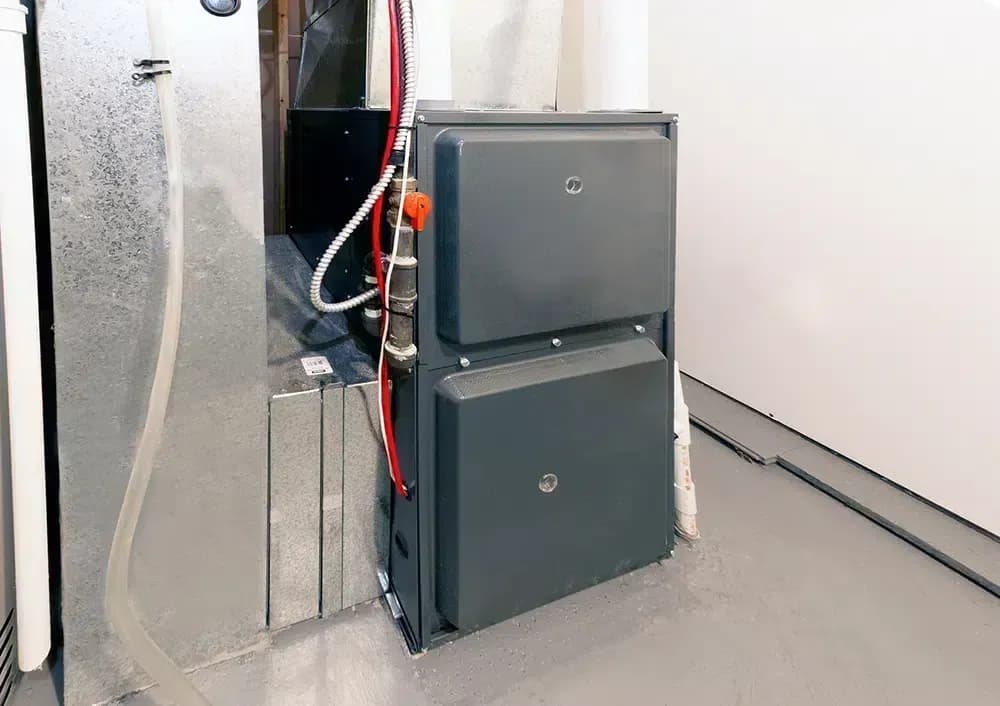
Why Do Furnaces Cycle? A furnace should not be operating continuously for long periods. The continuous operation of your furnace will wear out the motor and cause the furnace to overheat. In normal operation, the furnace will turn on if the temperature is too low and then turn off for a while once the house[Read More]

How Often Should You Drain a Hot Water Heater?

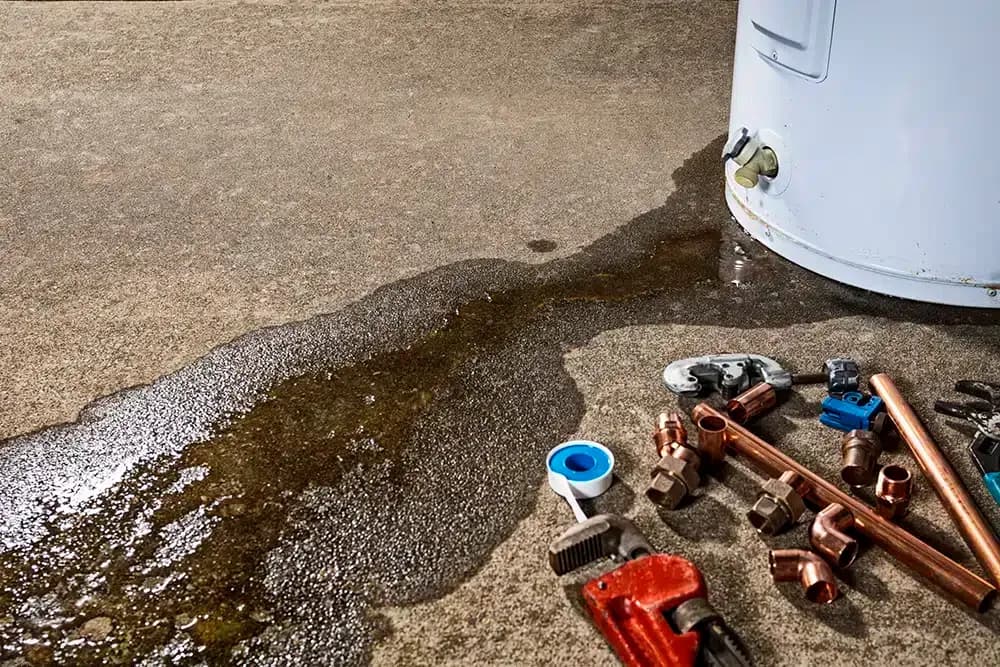
The Benefits of Draining Your Water Tank There are countless benefits to draining a water heater regularly, including a boost in overall efficiency. Lower Energy Bills Can draining a water tank save money on energy bills? Yes. It takes longer to heat a calcified water tank which means that the tank needs to exert more[Read More]

How to Detect A Gas Leak: Simple Warning Signs

Use your nose Natural gas is naturally odorless, but your gas utility adds an odor to it so that you will know right away if there’s a problem. A sulphuric, rotten egg smell is the surest sign that you have a gas leak, maybe a small leak around your stove, water heater or furnace. Use[Read More]

How To Protect Your Family From Carbon Monoxide

Why Carbon Monoxide Safety Matters in Winter Carbon monoxide (CO) is a colorless, tasteless gas produced by burning fuel, such as gas, oil, or wood. CO is vented safely outside when systems like furnaces or boilers operate correctly. But if something goes wrong, CO can build up inside your home. The risk increases during winter,[Read More]

How to Save Money While Staying Cool This Summer

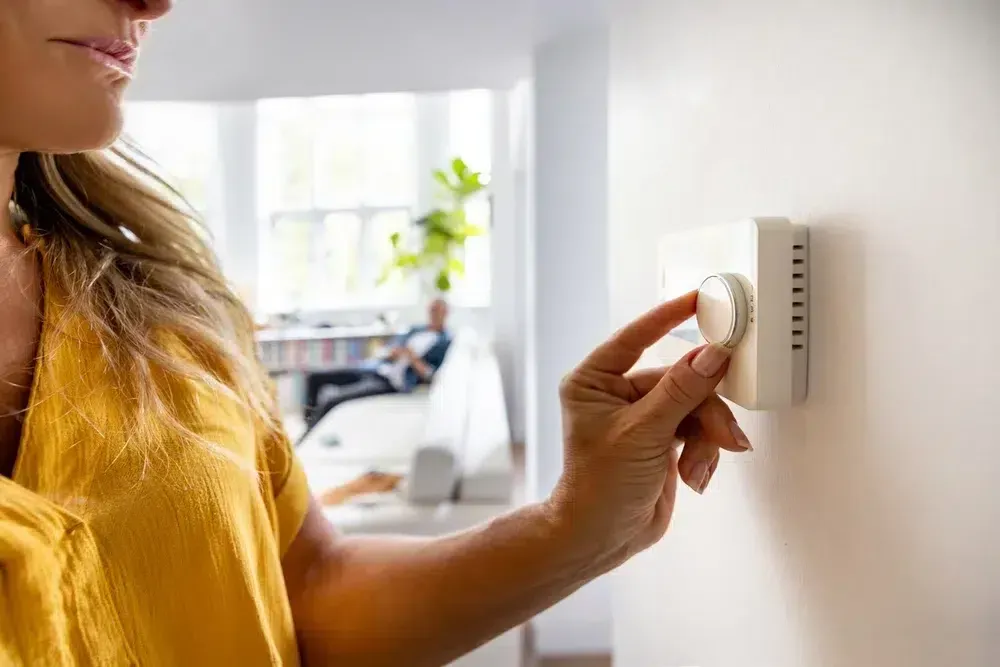
1. Set your thermostat to a reasonably good temperature Before setting your thermostat to 72 degrees because that’s room temperature, keep in mind that we tend to dress in lighter clothes during the summer. Try slowly raising the temperature in the range of 73 to 79 degrees to see what’s comfortable for your house. The[Read More]

Ready to Get Started?

Schedule your service today and let our experts handle the rest.