
If you’re wondering, ” Why does my HVAC smell? ” you’re in the right place!
Your HVAC system isn’t supposed to be silent all the time.
It isn’t even supposed to be odorless all the time.
But when a strange smell suddenly starts coming from your vents, it’s natural to wonder whether something is wrong.
Is it dangerous?
Is it normal?
Should you shut the system off?
Or should you call an HVAC professional immediately?
At Davis Heating & Air, we receive plenty of calls from homeowners throughout Cherry Hill, NJ and the surrounding South Jersey communities who are concerned about unusual HVAC odors. Sometimes the smell is harmless. Other times, it’s your system’s way of warning you that something needs attention.
The key is understanding which smells are normal, which smells require monitoring, and which smells mean you should turn the system off and call for service.
Let’s look at some of the most common HVAC odors and what they might actually mean.
Call (856) 429-7979
Your HVAC System Is Trying To Tell You Something
One of the most overlooked facts about HVAC systems is that they often provide warning signs before major failures occur.
These warning signs can include:
- Unusual sounds
- Reduced airflow
- Rising energy bills
- Excess humidity
- Strange smells
When an unfamiliar odor appears, it’s important not to ignore it.
While some smells are harmless, others can indicate electrical issues, airflow problems, moisture buildup, or component failures.
The “Burning Dust” Smell
This is probably the most common HVAC odor homeowners encounter.
Fortunately, it’s usually one of the least concerning.
When Does It Happen?
Most often, this smell appears:
- During the first heating cycle of the season
- After long periods of inactivity
- At the beginning of fall or winter
Dust naturally accumulates on heating components during warmer months.
When the furnace starts operating again, that dust burns off and creates a temporary odor.
When Is It Normal?
A burning dust smell is generally normal if:
- It appears briefly
- It fades within a few hours
- There is no visible smoke
- The smell doesn’t return repeatedly
When To Be Concerned
If the smell:
- Continues for several days
- Gets stronger
- Smells like burning plastic or wiring
…it’s time to contact a professional.
The Musty Or Mildew HVAC Smell
A musty odor is one of the most common complaints during Cherry Hill’s humid summer months.
What Causes It?
Musty smells often indicate excess moisture somewhere in the HVAC system.
Potential causes include:
- Dirty evaporator coils
- Clogged condensate drain lines
- Mold growth
- Excess humidity
- Standing water
Since air conditioners remove moisture from indoor air, drainage problems can sometimes create conditions where odors develop.
Why You Shouldn’t Ignore It
Moisture-related issues rarely improve on their own.
Over time, they can contribute to:
- Reduced indoor air quality
- Mold growth
- Efficiency problems
- Water damage
A musty smell is often your HVAC system’s way of telling you that moisture isn’t being managed properly.
The Rotten Egg Smell
This is one odor that should never be ignored.
What Does It Mean?
A rotten egg smell may indicate a natural gas leak.
Natural gas itself is odorless, but utility companies add a sulfur-like scent specifically so homeowners can detect leaks.
What Should You Do?
If you suspect a gas leak:
- Leave the home immediately.
- Avoid using electrical switches.
- Do not operate appliances.
- Contact your gas utility company.
- Call emergency services if necessary.
Gas leaks require immediate attention.
The Electrical Or Burning Plastic Smell
This odor is very different from the temporary burning dust smell discussed earlier.
Possible Causes
Electrical odors may indicate:
- Overheating motors
- Damaged wiring
- Electrical shorts
- Failing capacitors
- Melting insulation
These issues can become serious quickly.
What Should You Do?
Turn the system off and contact an HVAC professional.
Electrical smells should never be ignored.
The Dirty Sock Smell
Yes, HVAC professionals actually have a name for this.
“Dirty Sock Syndrome” is a common term used to describe a stale, sour odor that resembles dirty laundry.
What Causes It?
The smell often develops when:
- Bacteria accumulate on coils
- Moisture remains on cooling components
- Airflow conditions support microbial growth
Is It Dangerous?
While not usually dangerous, it can significantly impact indoor comfort and air quality.
Professional coil cleaning often resolves the issue.
The Chemical Smell
Some homeowners describe HVAC odors as:
- Sweet
- Chemical-like
- Solvent-like
Potential Causes
Chemical odors may indicate:
- Refrigerant leaks
- Cleaning product contamination
- Electrical component issues
Refrigerant leaks are particularly important to address because they can reduce system performance and increase energy costs.
The Smoke Smell
Smoke odors should always be investigated.
Possible Explanations
The source may be:
- Electrical problems
- Overheating components
- External smoke entering the system
- Damaged wiring
If the smell is strong or accompanied by visible smoke, shut the system down and seek professional assistance immediately.
Why HVAC Smells Often Appear During Summer
Cherry Hill homeowners frequently notice unusual HVAC odors during summer because cooling systems are operating for longer periods.
Extended run times can expose:
- Drainage issues
- Moisture problems
- Dirty coils
- Airflow restrictions
The combination of heat and humidity creates conditions where odors become more noticeable.
What HVAC Smells Can Tell You About Your System
Many homeowners assume odors are random.
In reality, HVAC smells often provide useful clues about what’s happening inside the system.
Musty Smells May Indicate:
- Moisture problems
- Drain line clogs
- Mold growth
Burning Smells May Indicate:
- Dust accumulation
- Electrical issues
- Overheating components
Chemical Smells May Indicate:
- Refrigerant leaks
- Mechanical issues
Rotten Egg Smells May Indicate:
- Gas leaks
Understanding these warning signs helps homeowners respond appropriately.
How To Reduce HVAC Odors
Proper maintenance goes a long way toward preventing unpleasant smells.
Replace Air Filters Regularly
Clean filters help improve airflow and reduce debris accumulation.
Schedule Routine Maintenance
Professional tune-ups help identify:
- Dirty coils
- Drainage issues
- Electrical concerns
- Airflow restrictions
…before they create larger problems.
Keep Humidity Under Control
Excess humidity often contributes to odor development.
Address Small Problems Early
Many odor-related issues become more expensive when ignored.
When To Call Davis Heating & Air
If an HVAC smell appears suddenly, persists for more than a short period, or seems unusual, it’s worth having the system inspected.
Professional evaluation is especially important if you notice:
- Burning odors
- Electrical smells
- Chemical odors
- Persistent musty smells
- Smoke odors
- Frequent odor recurrence
The sooner the cause is identified, the easier it is to prevent further damage.
Cherry Hill HVAC Repair And Maintenance From Davis Heating & Air
If your HVAC system is producing unusual smells, Davis Heating & Air is here to help.
We proudly provide HVAC inspections, repairs, maintenance, and diagnostics throughout Cherry Hill, NJ and the surrounding South Jersey communities.
Our experienced team can identify the source of strange odors, correct underlying problems, and restore your home’s comfort and air quality.
We Fix It First, which means we’ll always look for practical repair solutions before recommending replacement whenever possible.
Contact Davis Heating & Air today if your HVAC system is sending warning signs you can’t ignore.
Call (856) 429-7979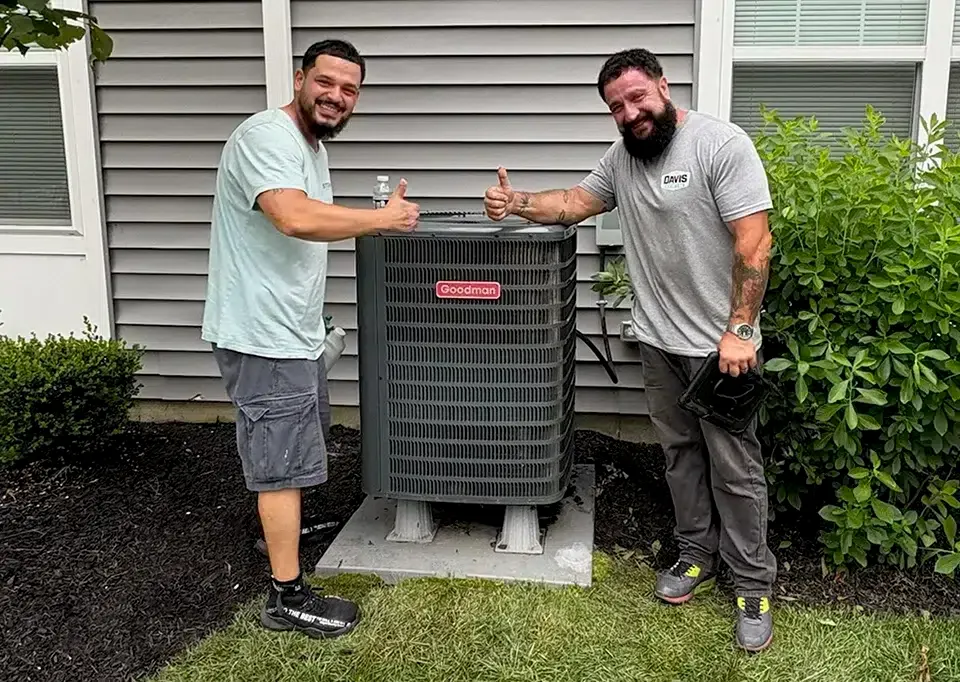
 All Service Areas